
Project
Gundagai Sewage Treatment Retaining Wall
Structural design and engineering certification of flood-resilient retaining structures for Gundagai’s new Sewerage Treatment Plant.
Read project overview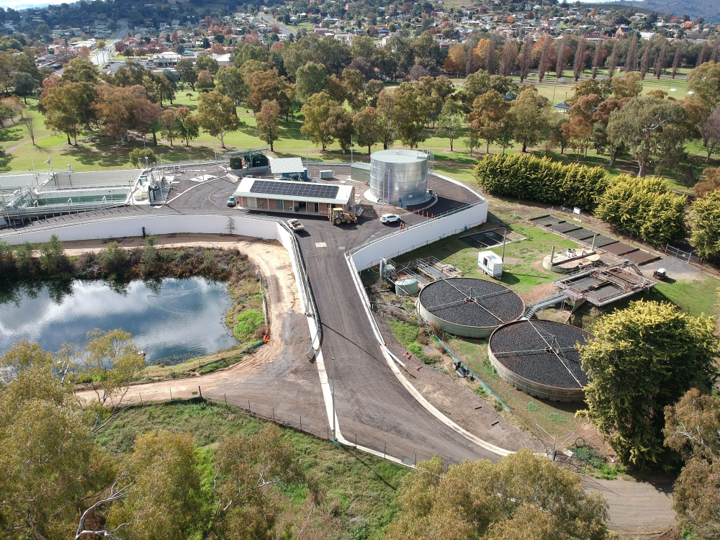
No items found.
Project details

Overview of engagement
Specifics of engagement
What was done
Value to the client
Services
Gundagai Sewage Treatment Retaining Wall
Orion SKCE provided the full structural design and engineering certification for the Gundagai Sewerage Treatment Plant. The project involved the design of extensive retaining and flood-resilient wall systems, supporting upgraded treatment infrastructure for the Cootamundra-Gundagai Regional Council. Orion engineered a cost-efficient, high-strength solution that delivered resilience, speed, and long-term durability in a highly flood-prone environment.
Related projects
No items.
More projects
Previous Project
There is no previous project
Back to all projectsNext Project
There is no next project
Back to all projectsCalderwood Town Centre South, Education Precinct, and Road Upgrade
View ProjectIllawarra
Urban
Project Management
Tender Management
Superintendency
Water Services
294 Annangrove Road, Rouse Hill
View ProjectGreater Sydney
Industrial
Engineering Design
Project Management
Superintendency
Thomas Brothers Mitsubishi Dealership – Wagga Wagga, NSW
View ProjectRiverina
Industrial
Engineering Design
The Gables, Precinct B Central, Stages 1 & 2
View ProjectGreater Sydney
Urban
Project Management
Superintendency
Wallgrove Road – Signalised Intersection Upgrade
View ProjectGreater Sydney
Infrastructure
Project Management
Engineering Design
Tender Management
Structural Design for Battery Energy Storage System
View ProjectMelbourne
Renewables
Bulk Earthworks
Road design
Drainage
Site equipment
Building Footings
280 Garfield Road East
View ProjectGreater Sydney
Infrastructure
Civil Design
Stormwater Design
Water Quality Design
Albert Park, Stage 3 Boundary Road, Box Hill
View ProjectGreater Sydney
Urban
Civil Works
Bulk Earthworks
Planned Community - Rolling Bond Register
View ProjectIllawarra
Urban
Project Management
Construction Management
Ridge Square, Leppington
View ProjectGreater Sydney
Urban
Project Management
Civil Design
Civil Engineering
Water/Sewer
Water Services
Garfield Road West Extension, Elara, Marsden Park
View ProjectGreater Sydney
Infrastructure
No items found.
"Our development and our growth to date has been based on innovative, energetic and ambitious people."
Philip Byrum, Director
“We’re working with some of the biggest and best developers in the country, and it’s absolutely fantastic to be trusted by those guys to deliver projects for them.”
Dominic Lynch, Program Director
"It’s been amazing to be part of Orion’s growth over the past decade. Every individual who’s touched the business has left a lasting impact and played a part in making it what it is today. I’m proud of what we’ve achieved and even more excited for what’s ahead"
Orlagh Byrum, Business Manager